PRP Hair Therapy: What Is It and How Does It Work?
PRP therapy (Platelet-Rich Plasma) is a modern treatment widely used in trichology as an adjunctive therapy for various types of hair loss.
During the procedure, the patient's own blood plasma enriched with platelets is used. Because only the patient's own biological material is utilized, PRP is considered an autologous treatment. No medications or foreign substances are injected into the body.
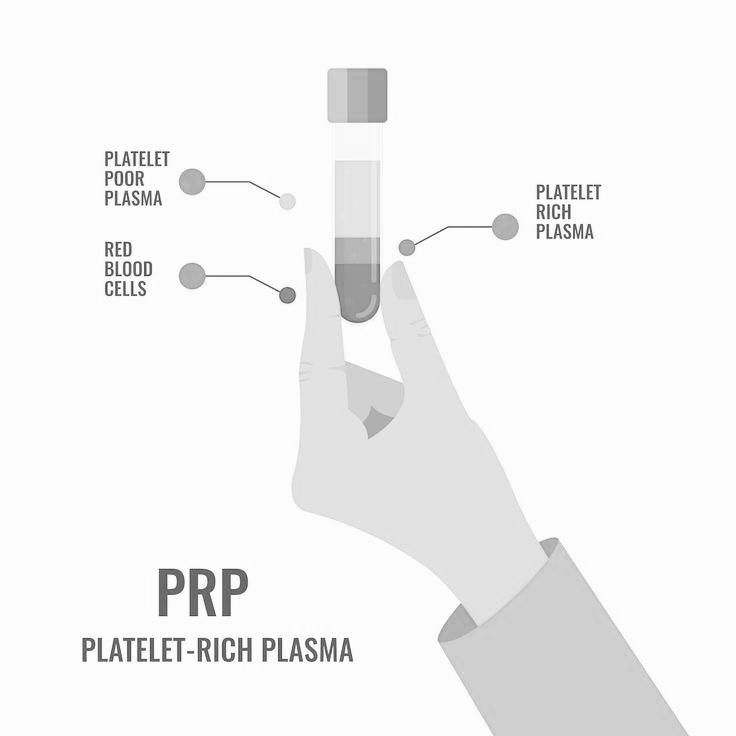
How Does PRP Therapy Work?A small amount of the patient's venous blood is collected and placed into a special centrifuge. During centrifugation, the blood separates into several layers, allowing the physician to obtain plasma with a high concentration of platelets.
Platelets are best known for their role in blood clotting, but they also contain numerous growth factors and biologically active proteins.
Once injected into the scalp, these substances may help:
• stimulate tissue repair;
• improve microcirculation;
• promote the formation of new blood vessels;
• support the activity of existing hair follicles;
• create a more favorable environment for hair growth.
It is important to understand that PRP therapy does not create new hair follicles and does not eliminate the underlying cause of hair loss. Its primary goal is to improve the function of existing follicles and enhance the effectiveness of a comprehensive treatment plan.
When Is PRP Therapy Recommended?In modern trichology, PRP therapy is used as an adjunctive treatment for various hair and scalp conditions.
It is most commonly recommended for patients with:
• androgenetic alopecia;
• telogen effluvium;
• diffuse hair loss;
• hair restoration after hair transplantation;
• certain other forms of alopecia as part of a comprehensive treatment plan, when clinically indicated.
Before starting treatment, a consultation with a trichologist is essential. Depending on the individual case, the physician may perform trichoscopy and recommend laboratory tests, as treatment success largely depends on establishing an accurate diagnosis.
How Is the Procedure Performed?The procedure usually takes approximately 40 to 60 minutes.
It consists of several steps:
• collection of a small sample of venous blood;
• preparation of platelet-rich plasma using centrifugation;
• cleansing and preparation of the scalp;
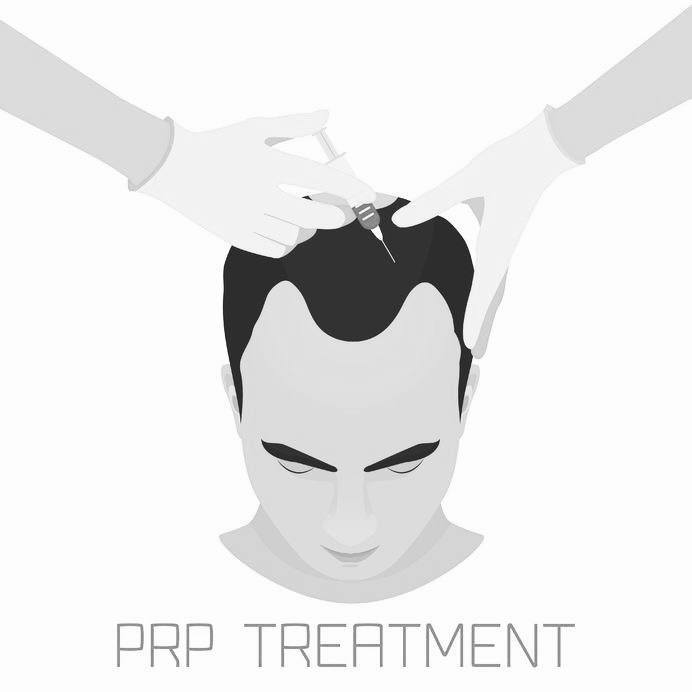
• injection of PRP into the scalp using fine needles.
Most patients are able to return to their normal daily activities immediately after the procedure.
What Results Can Be Expected?PRP therapy is not a universal treatment and should not replace the primary management of hair loss.
However, current evidence suggests that, in appropriately selected patients, PRP therapy may contribute to:
• reducing hair shedding;
• increasing hair shaft thickness;
• improving hair density;
• enhancing overall hair quality;
• supporting the activity of existing hair follicles.
The best results are usually achieved when PRP therapy is combined with other evidence-based treatments selected individually by the physician.
When Will You See Results?Hair growth is a natural biological process, so improvements develop gradually.
Some patients notice reduced hair shedding within the first few weeks.
More significant improvements in hair density and quality are typically observed after 3 to 6 months.
For an objective assessment of treatment effectiveness, standardized clinical photographs and trichoscopy are recommended before starting therapy and after completing the treatment course.
How Many Sessions Are Needed?There is currently no universally accepted international PRP treatment protocol.
In most cases, a course consists of 3 to 4 treatment sessions performed every 3 to 4 weeks.
Depending on the diagnosis and the clinical response, your physician may recommend maintenance sessions to help sustain the results.
Is PRP Therapy Safe?Because PRP uses the patient's own blood, the risk of allergic reactions is extremely low.
After the procedure, mild scalp redness, tenderness at the injection sites, or a feeling of tightness may occur. These effects are usually temporary and resolve spontaneously within a few days.
Key TakeawaysPRP therapy should not replace a thorough evaluation of the underlying causes of hair loss.
If hair loss is associated with iron deficiency, thyroid disorders, hormonal imbalances, chronic illnesses, or other medical conditions, the underlying cause should be diagnosed and treated first.
Modern trichology is based on a comprehensive, evidence-based approach rather than a single procedure. The combination of an accurate diagnosis, individualized treatment, correction of contributing factors, and supportive therapies offers the greatest chance of achieving stable, long-term results.