
Bruxism and Botulinum Therapy
What is bruxism?
Bruxism is involuntary clenching and/or grinding of the teeth. It can occur during
sleep (sleep bruxism) or during the day (awake bruxism).
From the perspective of modern neurology, bruxism is not just a “bad habit.” Current
research shows that bruxism is a disorder of muscle activity and is associated with
how the nervous system regulates muscle tone and movement.
Bruxism has a multifactorial nature. The following factors may contribute to its
development:
• dysregulation of central neurotransmitter systems (dopamine, serotonin,
norepinephrine)
• stress, anxiety disorders, depression, chronic pain, ADHD
• sleep disorders, including sleep apnea
• neurological diseases (for example, Parkinson’s disease)
• certain medications (SSRIs/SNRIs, psychotropic medications, antipsychotics),
as well as caffeineInternational guidelines emphasize that bruxism is primarily a neurobiological
disorder of muscle activity regulation, rather than a problem with the bite.
How does bruxism present?
Patients with bruxism often experience:
• pain or fatigue in the chewing muscles, especially in the morning
• temple pain and headaches
• clicking or pain in the temporomandibular joint (TMJ)
• tooth wear
• feeling of tension in the face
• enlargement of the chewing muscles (change in face shape)
• morning stiffness in the jaw
• teeth grinding during sleep
• tinnitus, clicking, or ear pain
With long-standing and severe bruxism, the following may develop:
• chronic facial pain and headaches
• significant tooth wear and damage
• limited mouth opening
• changes in facial shape due to muscle hypertrophy
Which muscles are involved in bruxism?
Bruxism involves not just one muscle, but a group of masticatory muscles:
• Masseter muscle - elevates the lower jaw and clenches the teeth
• Temporalis muscle - elevates the jaw, closes the teeth, and retracts the jaw
• Lateral pterygoid muscle -moves the jaw forward and sideways,
participates in mouth opening and stabilizes the joint disc
• Medial pterygoid muscle - elevates the lower jaw, moves it forward, and
participates in chewing movements
Therefore, bruxism is not only “teeth clenching,” but also a disorder of coordination
between the jaw muscles and the temporomandibular joint.
How is bruxism treated?
Treatment is always comprehensive and aimed not only at the muscles, but also at the
underlying causes.
Treatment may include:• Occlusal splint (night guard) - worn at night to protect teeth from wear and
fractures
• Stress and anxiety management - psychotherapy, relaxation techniques, and
sometimes medication
• Sleep normalization- bruxism worsens with insomnia and sleep apnea
• Physical therapy and massage of the chewing muscles, therapeutic exercises
• Muscle relaxants and pain relievers - may be prescribed in cases of
significant muscle tension and pain
If pain, muscle tension, and tooth damage persist despite these treatments, botulinum
therapy may be considered.
How does botulinum therapy work for bruxism?
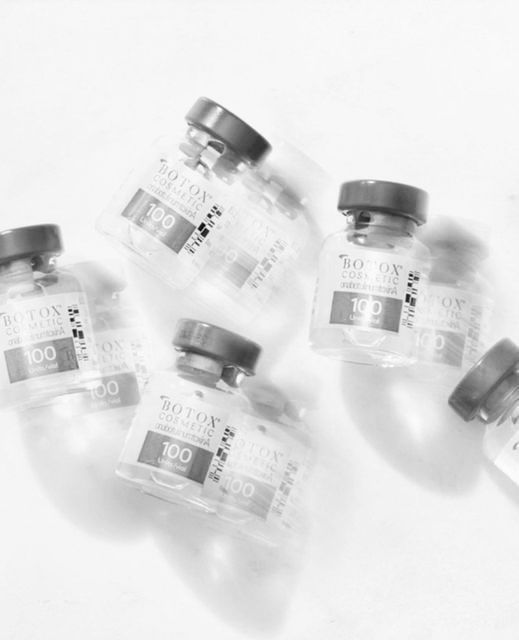
In clinical practice, botulinum toxin type A (onabotulinumtoxinA) is used.
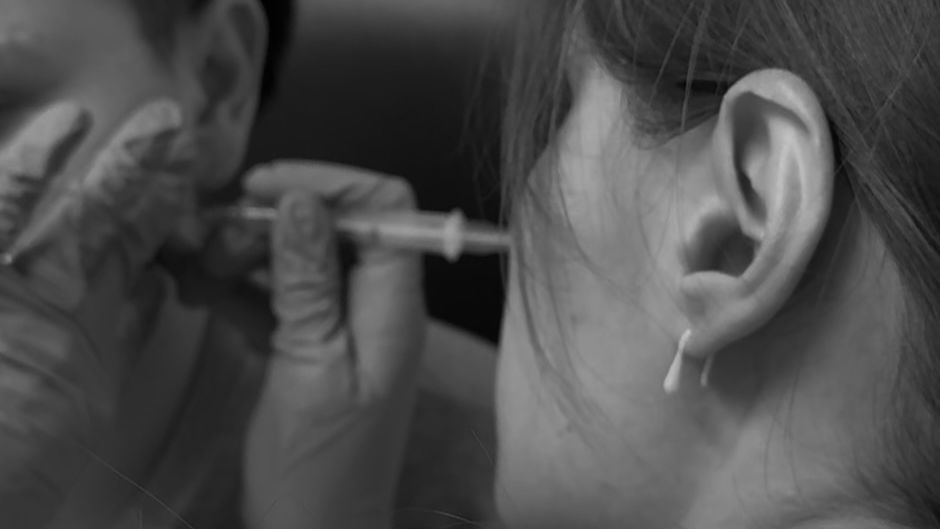
The medication is injected into the chewing muscles and works at the neuromuscular
junction.
It:
• blocks the release of acetylcholine
• reduces excessive muscle contraction
• decreases muscle hypertonicity
• reduces pain signaling
• decreases load on the temporomandibular joint
As a result:
• muscle tension decreases
• pain decreases
• pressure on the joint decreases
• further tooth damage is prevented
• headaches and ear pain may improve
It is important to understand that botulinum therapy does not “paralyze” the muscle
completely and does not “treat stress.”
It reduces excessive muscle activity, which decreases pain, tension, and joint
overload, while allowing normal chewing and speaking.
Where is the medication injected?
Most commonly, injections are performed in:
• the masseter muscles
• the temporalis musclesIn some cases, injections are also performed in the pterygoid muscles.
These are more complex injections that require detailed anatomical knowledge and
are often performed under ultrasound guidance. They are used in patients with severe
TMJ dysfunction, clicking, jaw locking, ear pain, or insufficient effect from injections
into the masseter and temporalis muscles alone.
Dosage
Average doses (using onabotulinumtoxinA as an example):
• Masseter muscle: 20-30 units per side
• Temporalis muscle: 10-20 units per side
The total dose is usually 50-100 units per procedure, but it is always individualized
depending on:
• muscle strength
• severity of bruxism
• presence of pain
• muscle volume
• number of muscles involved
When does the effect start?
• first changes - within 5-7 days
• maximum effect - in about 2 weeks
How often should the procedure be repeated?
On average, the effect lasts 3-6 months.
After that, the procedure can be repeated.
In many patients, after several treatment sessions:
• muscle strength decreases
• pain decreases
• frequency of bruxism episodes decreases
As a result, the interval between procedures may become longer over time.
Safety
The procedure is safe when performed by a trained physician with a good knowledge
of facial anatomy.Possible side effects:
• mild chewing weakness
• smile asymmetry
• discomfort at the injection site
These effects are rare and reversible. Systemic side effects do not occur when correct
doses are used.
Important to understand
Botulinum therapy is part of a comprehensive treatment plan that should include:
• stress management
• sleep correction
• treatment of anxiety disorders
• dental splints
• physical therapy
The best results are achieved through a multidisciplinary approach involving a
neurologist, dentist, and, if necessary, a sleep specialist.
Conclusion
Bruxism is a neurologically mediated disorder of muscle activity regulation.
Botulinum therapy is a modern, evidence-based, and safe treatment that reduces
muscle tension and pain and protects the teeth and temporomandibular joint from overload.